How to Choose Dog Walking Accessories for All Weathers
Anyone who walks a dog in the UK knows that “walking weather” can mean almost anything. A dry morning can turn into heavy rain, a winter walk can involve mud and standing water, and the occasional hot spell brings a completely different set of practical considerations.
Your dog walking accessories need to cope with those changing conditions too.
Collars, headcollars and leads are used outdoors repeatedly, so weather can affect how dirty they become, how quickly they dry and how pleasant they are to handle.
In this guide, we’ll look at choosing dog walking accessories for different weather, with practical considerations for rain, mud, winter conditions and warmer days.
Choosing Dog Walking Equipment for Wet Weather in the UK
You do not necessarily need a completely different set of dog walking accessories for every season.
Instead, look for products that suit your normal routine and think about how their materials perform in the conditions you encounter most often.
Someone whose daily walk is mostly on pavements may have different priorities from an owner regularly crossing muddy fields or taking countryside walks.
Your starting point should always be suitable, correctly fitted equipment. Weather resistance and ease of care are additional considerations rather than substitutes for proper sizing and construction.
Dog Walking in the Rain
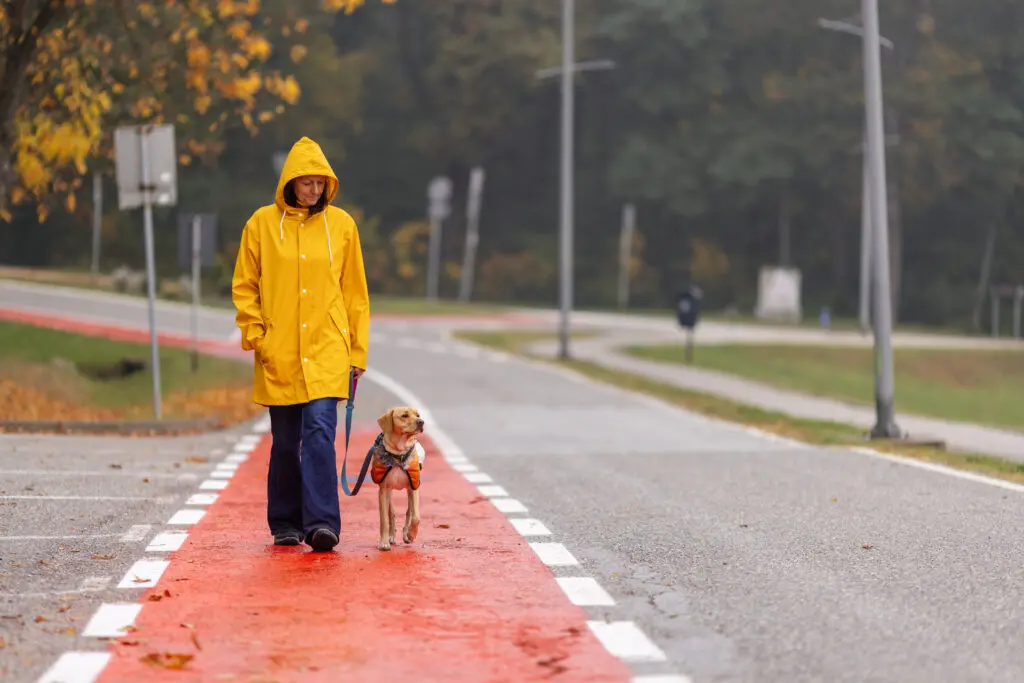
Rain is probably the most familiar weather consideration for UK dog owners.
Some dogs find rain overwhelming, and the sound of rain alone can unsettle them. Negative experiences in wet weather can also create anxiety and add to their discomfort.
When choosing headcollars, collars and leads, think about what happens after they get wet, and remember that walks may need to be shorter in severe weather or when your dog is struggling with wet conditions.
This doesn’t necessarily mean avoiding softer or padded materials and accessories. It simply means understanding how to look after them.
Starting with short walks in light rain or drizzle, then gradually increasing the time out, can help your dog adjust. Use positive reinforcement such as treats for going outside, and be patient if progress is slow; if rain aversion is severe or persistent, speak to your vet.
It is also worth making rainy outings more enjoyable with a quick game or a favourite toy.
Wet pavement and puddles can hide sharp debris, harmful chemicals, deep potholes or even hazards such as downed power lines, so protective gear like dog booties can help safeguard paws. Do not let your dog drink from puddles because of contamination risks.
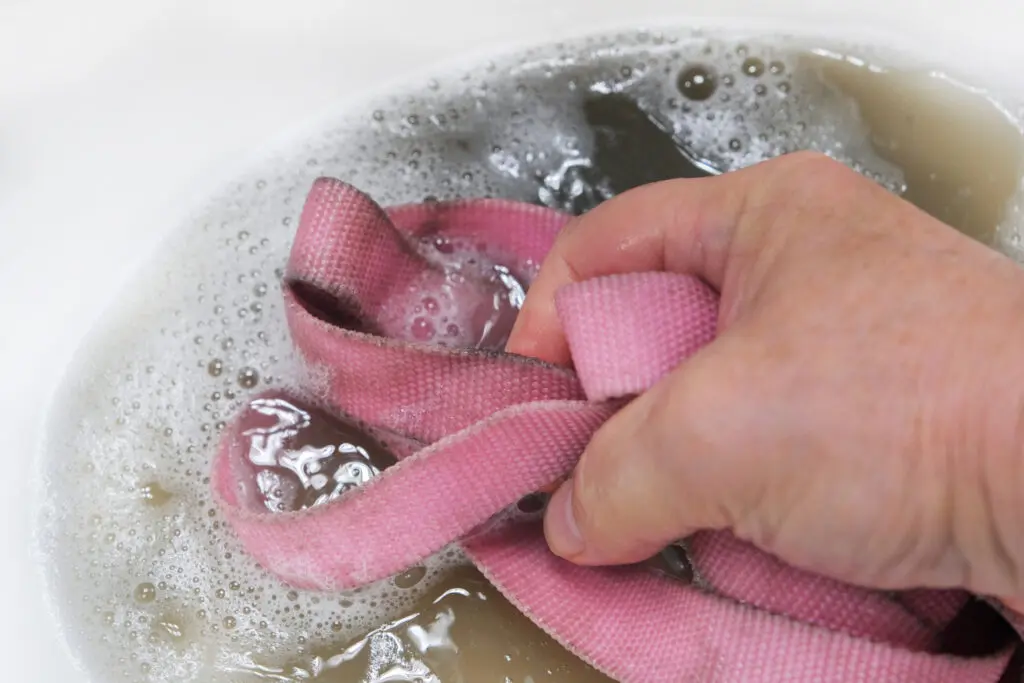
After a wet walk, remove excess moisture and dirt and allow your equipment to dry properly; it is important to dry your dog well too.
What to Consider With a Wet Headcollar
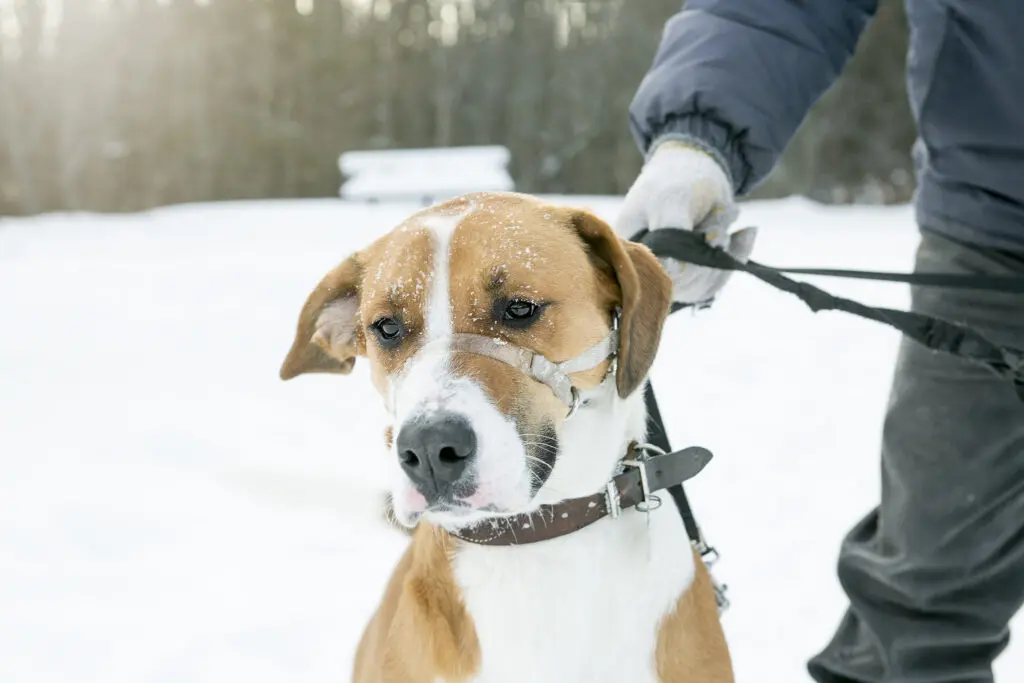
Because a headcollar sits close to the dog’s head, keeping it clean and properly dried is particularly useful.
Check it after wet walks for trapped mud, grit or other debris.
Once clean, leave it somewhere suitable to dry rather than immediately putting it into a closed container.
Before the next walk, check that it is completely ready for use and that straps and fittings remain correctly adjusted.
Muddy Dog Walks
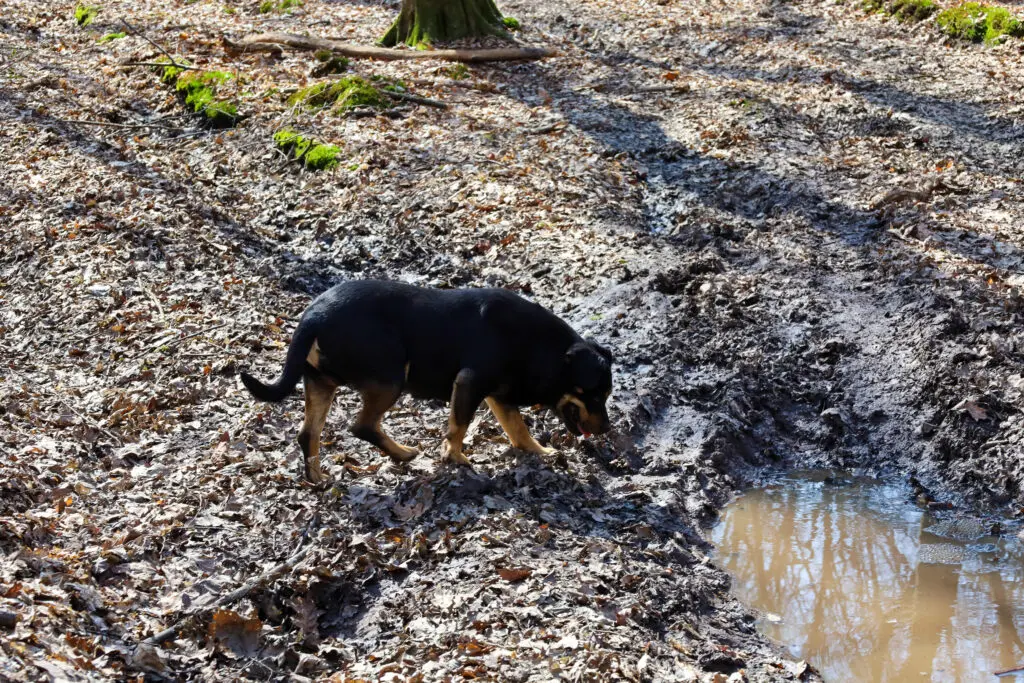
Mud creates slightly different problems from rain alone.
It can work its way into stitching, around buckles and between layers of material. Once dried, it may become harder and more difficult to remove.
If muddy walks are part of your normal routine, ease of cleaning becomes a useful consideration when buying dog walking accessories. Feel free to drop us a line for advice on the best Dogmatic product for your needs.
Whatever you choose, regular cleaning is preferable to allowing layers of dried mud to accumulate.
Caring for Lead Clips in Muddy Conditions
Your lead clip sits relatively close to ground level, particularly when it is not attached to your dog.
This makes it easy for clips to end up in mud, sand or puddles.
Check moving components after particularly messy walks. Dirt around a mechanism may prevent it operating as smoothly as it normally does.
Do not apply cleaning products or lubricants unless they are appropriate for the product and its materials. Follow the manufacturer’s care recommendations.
Winter Dog Walking Accessories
Winter brings rain, mud, cold temperatures, and darker mornings and evenings, and winter weather can be unpredictable, so wet weather gear often needs to work year round.
For collars, headcollars and leads, think about equipment that remains practical when both you and your dog are dealing with poor conditions. Suitable winter kit can also support comfort when conditions stay cold and damp. Waterproof accessories can improve comfort and confidence for both dogs and owners on wet walks.
One easily overlooked consideration is how simple buckles and lead clips are to operate when your hands are cold or you are wearing waterproof gloves that keep a secure grip and keep your hand dry while holding the lead. Waterproof socks can also help with puddles and mud on winter walks!
Your lead handle matters too. A handle that is comfortable in summer may feel different when held through thick gloves.
These small practical points can influence which equipment you prefer for everyday winter use. A waterproof dog coat can help protect against cold rain and wind, especially for short haired breeds and smaller or toy breeds.
Visibility on Darker Walks
Shorter daylight hours mean many winter walks take place in low light.
Colour and visibility can therefore be useful considerations when choosing dog walking accessories.
Bright or easily distinguishable equipment may be preferable for some owners, although collars and leads should not be treated as a replacement for suitable visibility products where these are required.
The main equipment still needs to be selected primarily for fit and intended use.
Storing Wet Equipment in Winter
One common winter problem is that dog walking equipment never seems to dry.
Keep towels by the door so you can dry your dog and gear as soon as you come in, and choose a dog drying towel that absorbs moisture quickly after wet walks.
Avoid leaving damp leads, collars or headcollars bundled together in a bag.
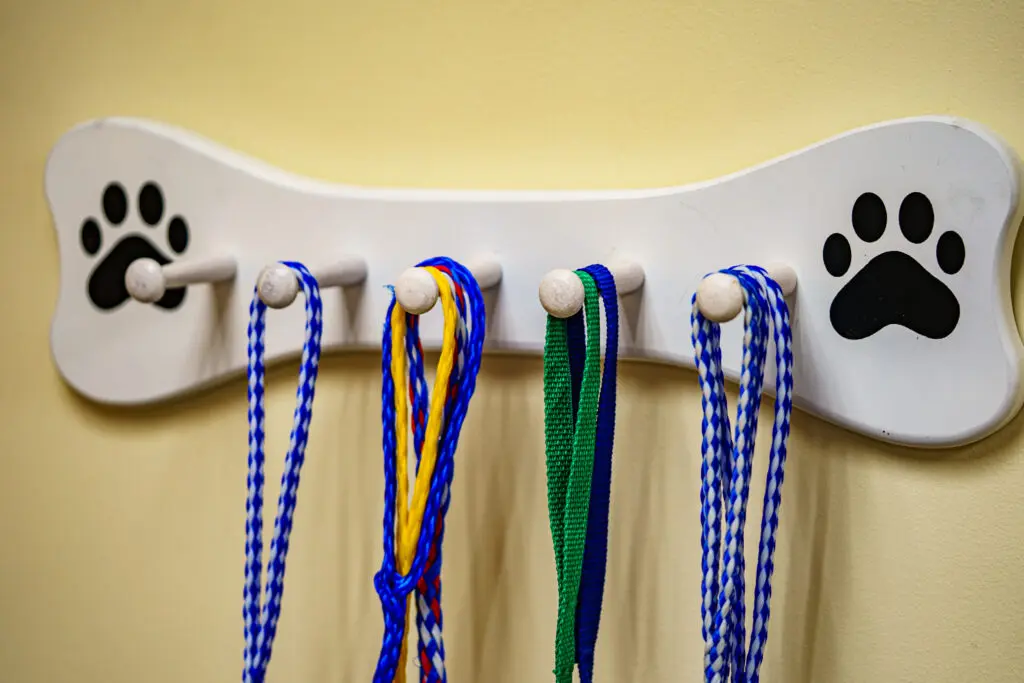
Create a dedicated storage area where equipment can dry naturally between walks. Hanging leads rather than leaving them in a heap can also make it easier to inspect them and find what you need.
If your dog walks several times each day, having suitable spare equipment can be practical when one set is still drying.
Dog Walking in Warmer Weather
Warm, dry weather removes the mud problem but introduces other considerations.
The materials sitting against your dog deserve particular attention. Make sure collars and headcollars are correctly fitted and regularly check the areas underneath them.
Keeping equipment clean is worthwhile even when it is not visibly muddy. Hair, dust and general dirt can still accumulate.
If equipment becomes wet during a summer walk, perhaps after swimming or a sudden shower, it still needs to be dried properly afterwards.
Check Equipment More Frequently During Seasonal Changes
The beginning of a new season is a useful time to inspect your dog’s walking kit.
Look at collars, headcollars and leads individually.
Check the main material for signs of wear. Inspect stitching, buckles, rings, adjustment points and clips.
A lead that survived last winter may still look broadly fine at first glance but show wear when examined more closely.
This is also a good time to check sizing, particularly for younger dogs that may have grown.
Choosing Materials for Everyday Use
There is no single material that is automatically right for every type of weather.
Instead, think about the balance of features you value.
Consider how the material feels, how easily it can be cleaned, how long it takes to dry and what care it requires.
Leather, webbing and padded products each have their own characteristics. The construction and quality of the individual product matter just as much as the broad material category. For sustained rain, a rating of at least 10,000mm is a useful number to look for on a dog coat or your own outer layer. If you are choosing a coat for regular walks, deep, accessible pockets and a hood with enough structure to stay up in wind are practical details.
Do You Need Different Accessories for Every Season?
Usually, no.
Good-quality dog collars and leads can be used throughout the year when they are suitable for their intended purpose and cared for correctly.
If the weather is too severe for a normal walk, indoor training, games, or other mental stimulation can be a practical substitute, and one of the benefits is that it still helps reinforce good habits.
You might keep a spare lead or collar available while another dries, for example, without maintaining an entirely separate summer and winter wardrobe.
Cleaning and Drying Your Dog Walking Accessories
Whatever the weather, good care can help keep your walking kit in suitable condition.
Always check the manufacturer’s instructions before cleaning. Different materials may require different methods.
Remove mud and debris rather than leaving it to build up, and allow wet equipment to dry fully.
Cleaning is also the ideal time to inspect products for damage. Look closely at stitching and attachment points rather than concentrating only on visible surfaces.
When Weather Reveals Wear
Rain and mud can sometimes make existing wear more obvious.
Frayed material may become easier to spot when equipment is being cleaned, while a clip that is beginning to deteriorate may become apparent after dirt enters the mechanism.
Do not ignore damage simply because the product is still usable.
Walking equipment is repeatedly placed under normal day-to-day strain, so replacing worn items is part of maintaining a practical kit.
Building an All-Weather Dog Walking Kit
For most UK dog owners, an all-weather kit is more useful when it includes the essential items you use most often rather than trying to predict the weather.
Choose a correctly fitting collar or headcollar, or a well-chosen harness for dogs that need more control, and a suitable lead that improves control and supports movement, feels comfortable in the hand, and offers good grip. Look closely at stitching, clips, buckles and other hardware, and consider how the products will cope with the places you normally walk. If you include a coat, it should cover the chest and back. Practical extras such as poo bags or a waste-bag holder help keep hands free.
Dogmatic products have been designed by dog lovers, for dogs. Our product range includes headcollars, collars, leads and other dog walking accessories designed for regular use. With suitable equipment and straightforward care, your walking kit can remain practical through rainy mornings, muddy winter walks and the occasional spell of British sunshine, and each item has a clear role.
For dog people, by dog people, because your dog deserves the best.