A dog headcollar can be a practical piece of walking equipment, but getting the fit and everyday use right matters. Unlike a standard collar, a headcollar sits around specific areas of your dog’s head, so sizing, positioning and adjustment all play a part in how comfortable it feels.
Whether you are using a headcollar for the first time or checking that your current one is fitted correctly, it is worth becoming familiar with the product before heading out for a walk.
In this guide, we’ll explain how to use a dog headcollar correctly, from choosing the right size and checking the fit to attaching your lead and caring for the headcollar between walks.
What Is a Dog Headcollar?
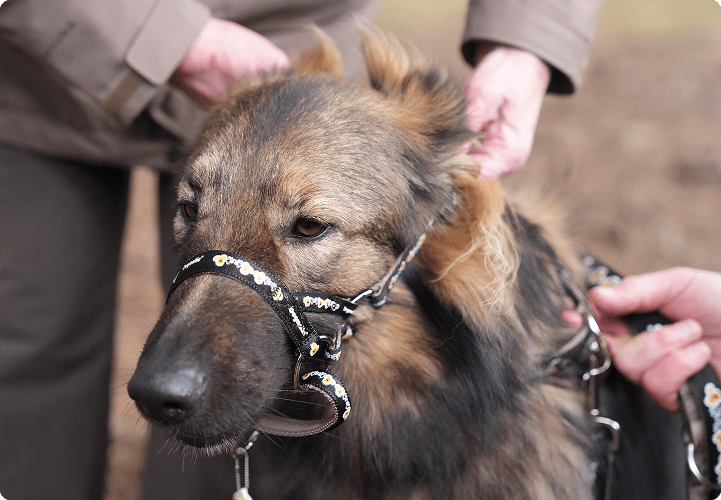
A dog headcollar is designed to fit around the dog’s head rather than attaching solely around the neck like a traditional collar.
Designs vary, but a headcollar will typically have sections that sit around the nose and behind the head, with adjustable fittings allowing you to achieve the correct fit. A lead can then be attached to the designated attachment point.
Because headcollars are available in different designs and sizes, it is important to follow the fitting instructions supplied with the particular product you own.
Choosing the Right Headcollar Size
Before thinking about how to use a dog headcollar, start with the size.
Dogs differ considerably in head shape and proportions, even when they are a similar overall size. Breed can give you a useful starting point, but it should not replace measuring your individual dog.
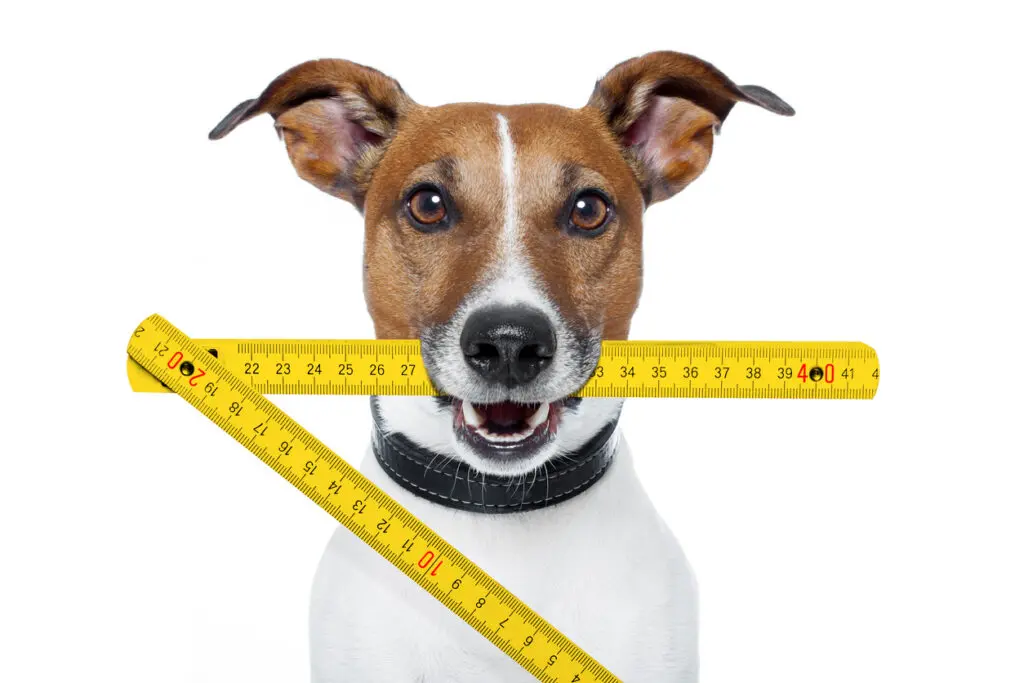
Check the manufacturer’s sizing guide and take any measurements requested. Depending on the product, this may include areas around the dog’s neck, muzzle or head.
Avoid simply choosing a size because it sounds appropriate for a “small”, “medium” or “large” dog. These descriptions can mean different things between manufacturers.
Once you receive the headcollar, check the fit rather than assuming the size is correct.
How Should a Dog Headcollar Fit on Your Dog’s Nose?
A correctly fitted head collar or head halter should sit securely in its intended position without being unnecessarily tight.
Check that each section is where the manufacturer intends it to sit. Adjust the neck strap high behind the ears at the base of the skull. The nose strap should sit about 1cm from the dog’s eyes and should not ride up toward the dog’s eyes. Straps should lie flat rather than being twisted, and buckles and other fittings should not be positioned incorrectly.
The headcollar should not be so loose that it can easily move out of position. Equally, overtightening it can make the product uncomfortable and prevent it from sitting as intended. It should still allow a comfortable fit so the dog can pant, bark and drink comfortably.
If your headcollar has several adjustable points, make small adjustments rather than tightening everything at once. Check the overall position after each change. A proper fit should not cause discomfort, loss of hair or skin irritation.
It is also worth checking the fit regularly. Straps can sometimes need readjusting with use, while growing dogs may require a different size over time. Some designs differ: Dogmatic head collars are intended to avoid pressure on the dog’s eyes, while Halti head collars have a wider fit that gives more room around the dog’s nose.
Introducing the Headcollar for Training Dogs
If your dog has not worn a headcollar before, wearing something around the head may initially feel unfamiliar.
Rather than putting it on immediately before a long walk, give your dog an opportunity to become familiar with it first.
Allow them to see and investigate the headcollar so the dog acclimatise at their own pace before fitting it. Use positive reinforcement during introduction as part of early training. You can then try it for a short period in a familiar setting before using it outside.
The aim is simply to make the equipment part of the dog’s normal walking routine rather than rushing the first use. High-value treats can help create a calm, comfortable wearing experience while your dog gets used to the head collar.
Never leave a dog unattended while wearing a headcollar.
Attaching Your Lead to a Headcollar and Flat Collar
Always check where the manufacturer states the lead should be attached.
For added safety, always attach a safety strap from the head collar to the dog’s collar.
Do not assume every dog headcollar uses the same attachment system. Look at the instructions for your particular model and make sure clips, rings and any additional fittings are being used as intended. Some designs, such as a Gentle Leader, use a connection point under the dog’s chin for better control.
Before each walk, check that the lead clip has closed fully and that the relevant rings and fastenings are in good condition.
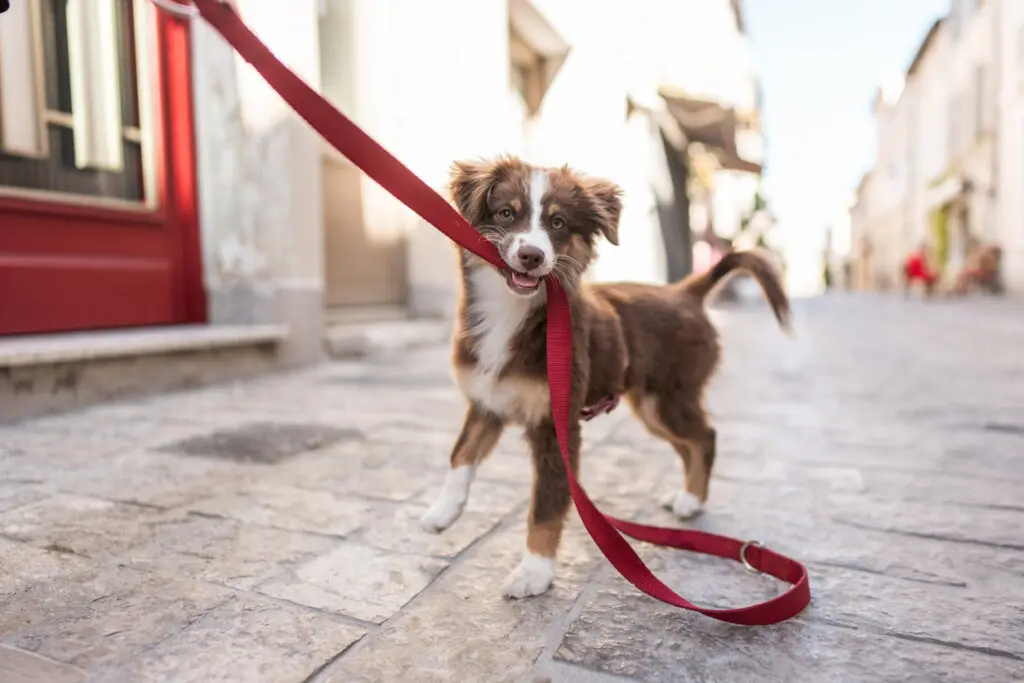
A headcollar and lead need to work together, so also consider the lead itself. The leash should be handled smoothly and never jerked or yanked, as that can cause injury and reduce control. It should have suitable fittings and be comfortable for you to hold.
Using a Headcollar on Everyday Walks When Your Dog Pulls
Once the headcollar is fitted and your lead is correctly attached, check everything again before setting off.
Make sure the straps have remained in position and the lead is not caught underneath them.
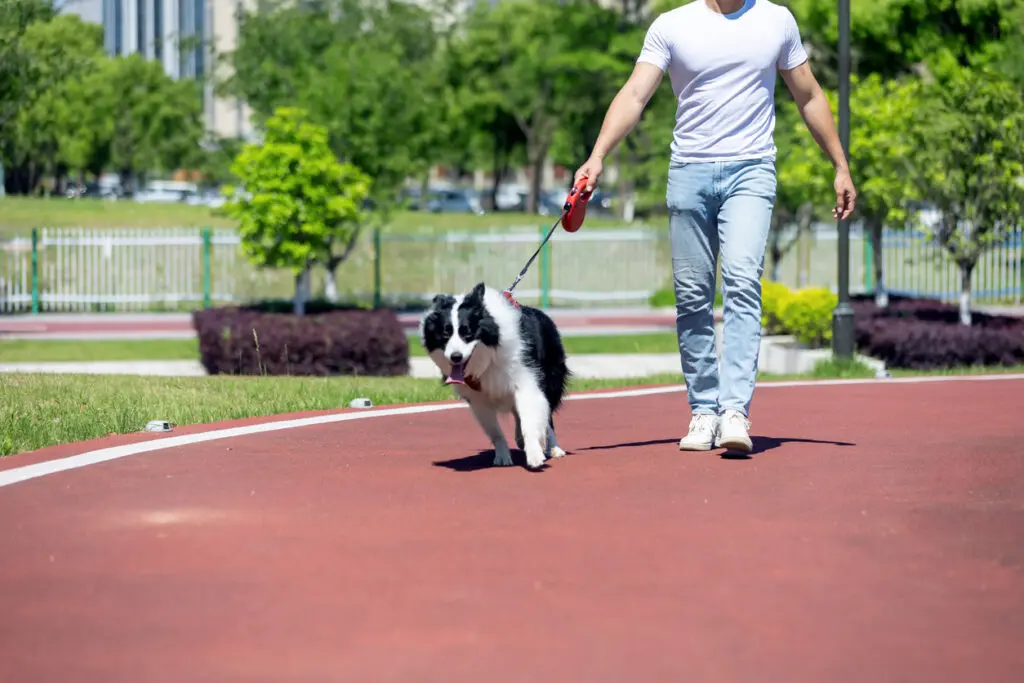
During the walk, the lead should be handled smoothly. A headcollar is a training aid, not something that should be used for sudden or forceful corrections. A dog head collar can help a dog that likes to pull by redirecting the head, which influences the body, dog’s movement, and dog’s direction for more control. For a reactive dog, it can also redirect attention away from stressors such as other dogs or cats and back to the handler, which helps when a dog pulls and you are trying to stop pulling.
Pay attention to the product as well as your dog. If the headcollar has shifted, become twisted or picked up dirt or debris, stop somewhere safe and correct it. This can improve focus during walks.
Check the Fit During Longer Walks
A headcollar that appears correctly fitted when you leave home can sometimes move slightly during use.
Longer walks are therefore a good opportunity to make occasional checks.
Look at the position of the straps and make sure fittings have not loosened. If your dog has been running through wet grass, walking in heavy rain or exploring muddy areas, check that dirt has not collected around the material.
These quick checks take very little time and can help keep the headcollar sitting as intended.
Choosing a Comfortable Headcollar
Fit is only one part of the equation. The construction of the headcollar matters too.
Look at the areas of the product that sit against your dog and consider the materials used. Some headcollars incorporate padding at particular contact points to provide a softer surface.
Also look at the quality of the webbing, stitching, adjustment points and hardware.
A well-designed headcollar should combine appropriate materials with practical adjustment so you can achieve a secure fit for your dog.
Common Headcollar Fitting Mistakes
One of the most common mistakes is relying on breed alone when choosing a size. Individual dogs vary, so measurements and the manufacturer’s size guide are more useful.
Another is leaving the headcollar too loose. A loose product may move away from its intended position.
The opposite problem is overtightening. Making a headcollar excessively tight does not automatically make it more secure.
Twisted straps, incorrectly positioned buckles and attaching the lead to the wrong point can also affect how the product works.
Taking a minute to check the headcollar before every walk is a simple habit worth developing.
Cleaning Your Dog Headcollar
Headcollars inevitably come into contact with rain, mud, hair and the general mess that comes with everyday dog walks.
Follow the manufacturer’s cleaning instructions, particularly because products may contain different materials and fittings.
After a wet walk, allow the headcollar to dry properly before storing it. Leaving damp equipment bundled up in a bag, car or cupboard can lead to unpleasant smells and may not be good for the materials.
Regular cleaning also gives you an opportunity to inspect the headcollar.
When Should You Replace a Headcollar?
Dog walking equipment does not last indefinitely.
Check the headcollar periodically for fraying, damaged stitching, worn material, damaged buckles or problems with metal fittings.
Pay particular attention to attachment points and other areas that experience repeated use.
If you are unsure whether a worn component is still suitable for use, replacing the product is usually preferable to continuing with equipment you no longer trust.
Making a Headcollar Part of Your Walking Kit
Once you have the right size and know how your particular headcollar should be fitted, using one becomes a straightforward part of getting ready for a walk.
The main points are simple: choose the correct size, follow the manufacturer’s fitting instructions, make sure every strap sits in its intended position and inspect your equipment regularly.
Dogmatic headcollars are available in a range of sizes and styles, allowing you to choose an option suited to your dog. Taking the time to get the fit right will help you get the most from the product on everyday walks. If you prefer behind-the-head models over other head collars, Canny Collar and SWAG are commonly recommended options.
For dog people, by dog people, because your dog deserves the best.