Choosing the right collar for your dog is more than just picking out something that looks nice or holds an ID tag. For trainers and dog behaviour specialists, the type of collar used can significantly affect how effectively a dog learns, responds to commands, and behaves on the lead.
With so many options available, figuring out what’s best for your four-legged friend can be overwhelming.
That’s why we’ve put together this trainer guide’s recommended collars: so you can make a confident choice that suits your dog’s needs and supports positive, practical training.
Why The Right Collar Matters For Training
The right collar can be a game-changer when teaching your dog new skills or improving behaviour. It’s not about control for control’s sake but communication, comfort, and building trust.
The right collar helps you gently guide your dog, encouraging it to stay focused while ensuring it feels secure and supported. Every dog is different, and what works brilliantly for one might not be suitable for another.
That’s why professional dog trainers look at your dog’s size, breed, energy level, and sensitivity before recommending a collar for training.

Flat Collars – Everyday Use, Limited For Training
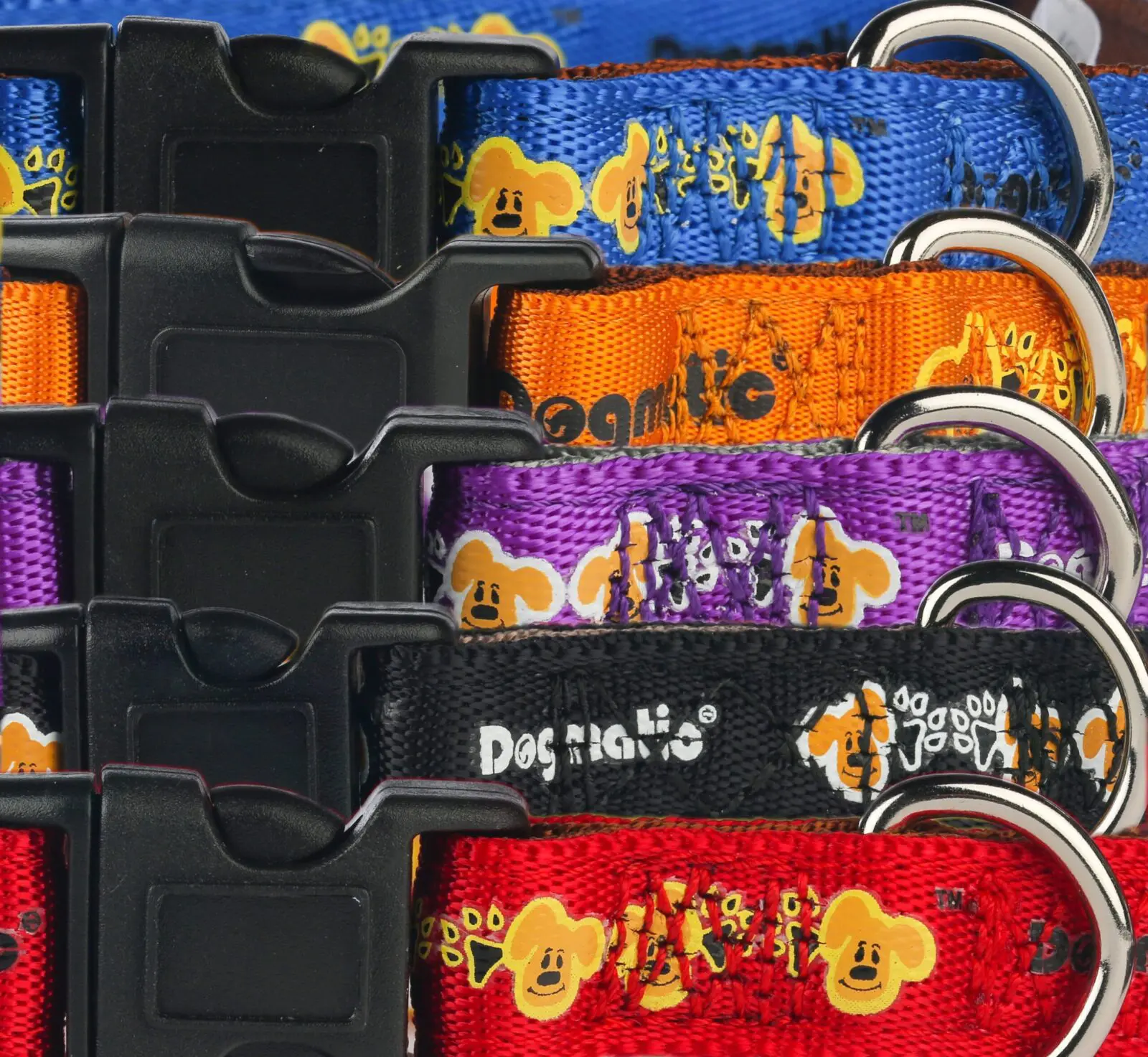
Most dogs wear the classic flat collar daily. They come in endless styles and materials and are perfect for holding ID tags, remove licenses, and microchip information. For dogs that don’t pull or exhibit behavioural issues, flat collars are a fine choice for everyday wear.
However, when it comes to training, especially lead training, flat collars don’t offer much in the way of control. They can also put unnecessary pressure on a dog’s neck if the dog pulls, which is why many trainers recommend using them with a training-specific collar remove or harness during lessons.
Think of flat collars as a practical, essential tool. They are great for identification but not always the best for behaviour modification.
Head Collars – Redirecting Focus With Less Effort
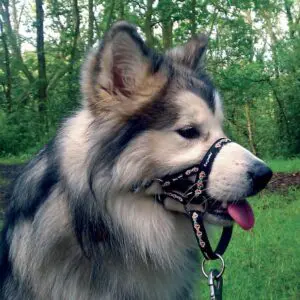
Head collars, sometimes called head halters, are another option many trainers recommend, especially for dogs who pull excessively or struggle with reactivity on walks. These collars fit around the dog’s nose and behind the ears, allowing you to guide the direction of their head. And where the head goes, the body usually follows.
The key benefit of a head collar is that it allows you to redirect your dog’s attention gently and without a battle. When used correctly, they’re a brilliant aid for teaching loose-lead walking and keeping your dog focused on you instead of the distractions around them.
They take a little getting used to, both for the dog and the owner, so a slow and positive introduction is essential. But once your dog is comfortable, a head collar can be a real confidence booster for both of you during walks and training sessions.

How To Choose The Right Collar For Your Dog
With all the options available, it’s easy to feel unsure where to start. The best approach is to think about your dog’s unique personality and your specific training goals.
A young, energetic pup learning the basics might benefit from a head collar remove or front-clip harness to reduce pulling, while a calm, older dog might do just fine with a flat collar for everyday wear.
If your dog tends to be nervous or reactive, a head collar will give you the right amount of gentle control to keep them feeling secure. Above all, the head collar should fit well, be comfortable, and support a positive, stress-free learning experience.
Consult a professional trainer who can assess your dog in person and help you make the best choice.
Setting You And Your Dog Up For Success
Training your dog should be a rewarding journey filled with patience, positivity, and many tail wags. Choosing the right collar is one small but influential part of that process. With the right tools and guidance, you can help your dog feel confident, calm, and connected to you during walks and training sessions.
Remember, there’s no one-size-fits-all solution. What works beautifully for one dog might not suit another, and that’s okay. Take the time to understand your dog’s needs, explore different options, and don’t be afraid to ask for help from a trainer who truly understands what makes dogs tick.
In the end, the best collar is the one that helps you communicate clearly, train kindly, and enjoy every step of the journey together.