What Are the Benefits of a Padded Dog Headcollar ?
When choosing a dog headcollar, it is easy to focus mainly on size and appearance. Both matter, but the materials that sit against your dog need just as much attention.
A padded dog headcollar incorporates softer material into selected areas of the product. The precise design varies, but the purpose of the padding is to create a softer contact surface while retaining the structure and adjustability needed from a headcollar.
For dogs that wear their headcollar regularly, these small design details can make a real difference to everyday use.
In this guide, we’ll look at the benefits of padded dog headcollars, the materials and construction to consider, and what to check when choosing one for your dog.
What Is a Padded Dog Headcollar?
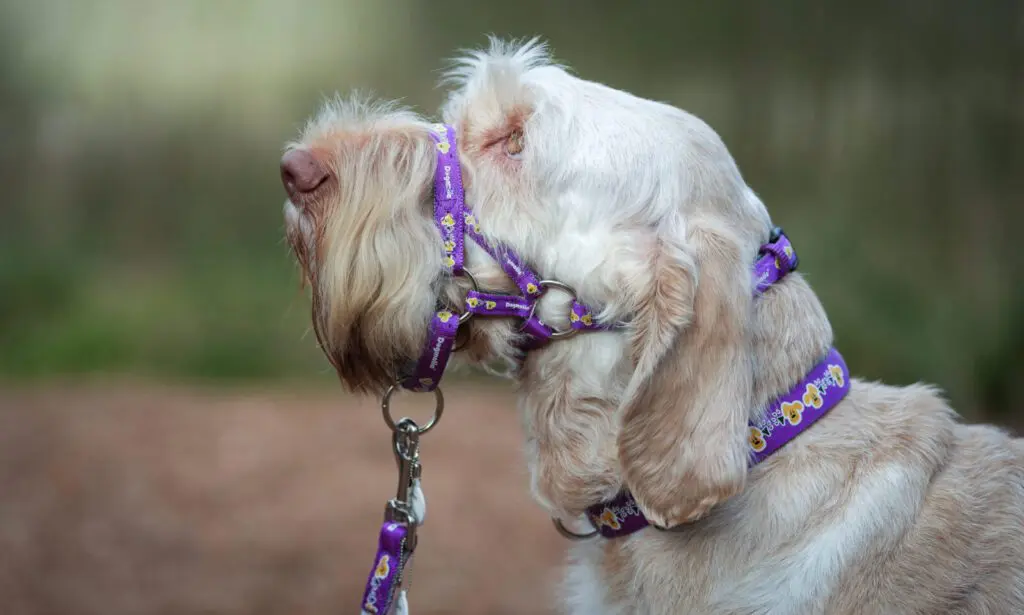
A padded dog headcollar follows the same basic principle as other headcollars but adds cushioning or a softer material at selected contact points; as a dog head collar, it gently redirects the dog’s head and nose to reduce pulling on the lead, using leverage rather than force.
Exactly where the padding is positioned depends on the design. This gives more control over the dog’s head, which is why this type of training aid is commonly used to stop pulling.
Rather than looking for padding everywhere, our designs consider how the entire headcollar has been constructed. Padding should form part of a design that also takes account of fit, adjustment, hardware and the strength of the underlying materials.
Why Does Padding Matter for Complete but Gentle Control?
A headcollar is worn close to a dog’s head and face. When used properly, it offers gentle control by steering the head, giving you maximum steering control over strong dogs with minimal physical effort, with guiding pressure distributed safely around the snout, behind the ears, and across the nose rather than concentrated in one spot. This makes the feel of the materials particularly relevant.
Padding provides a softer layer between the main structure of the headcollar and the dog. For equipment that may be worn throughout a walk, this can make the product more pleasant to wear. That control can help redirect the dog’s attention back to the handler during training as you train changes in the dog’s direction, and veterinary behavior sources recommend avoiding painful corrections.
It can also reduce direct contact with harder or rougher components where padding has been incorporated appropriately.
Padding alone does not determine whether a headcollar is comfortable, though. Correct sizing and fitting remain essential.
Comfort for Everyday Walks When Your Dog Pulls
Many owners use the same walking equipment every day.
That repeated use makes practical comfort important. A feature that seems relatively small when examining a product can become much more noticeable when it is being used day after day.
A padded dog headcollar can provide softer contact in selected areas while still giving you the practical structure of a headcollar.
For owners comparing products, this makes padding worth looking at alongside size options, adjustability and construction.
Padding and Fit Work Together
It is important not to treat padding as a substitute for correct fitting.
Start by measuring your dog according to the manufacturer’s instructions and choosing the appropriate size. Once fitted, check that the padded areas sit where intended and that straps are lying flat. The headcollar should sit just above the neck and be fitted correctly.
Do not overtighten a headcollar simply because the material feels soft. Follow the fitting guidance for the individual product. If needed, introduce it gradually until your dog is comfortable wearing it.
Look at Where the Padding Is Positioned
Two products described as padded headcollars can be quite different.
When comparing them, look at the actual location of the padding rather than relying solely on the word “padded” in the product description, such as whether there is padding across the nose area and whether the design helps the collar stay secure instead of starting to ride toward the dog’s eyes; for example, the signature Dogmatic Head Collar fits securely without riding into the eyes.
Consider which parts sit against the dog, where the structural webbing runs and how the softer materials have been incorporated.
This gives you a much better understanding of what you are buying than simply comparing how thick two products appear.
More Padding Is Not Automatically Better
A very thick headcollar is not necessarily more comfortable than a carefully designed product with padding in selected areas.
Excessive bulk could potentially affect fit, weight or how easily the product dries after becoming wet.
The better question is whether the padding has been used appropriately.
Look for a balance between softness and structure. The headcollar still needs to maintain its intended shape, allow adjustment, and provide suitable attachment points.
Consider the Main Material Too
Padding is only one component. Some owners pair a headcollar with a harness for more control, especially with strong dogs. A front-fastening style can help if a dog pulls by redirecting attention back to the handler, while a back-fastening option may still encourage pull.
Look at the webbing or other primary material used to construct the headcollar. It needs to withstand normal use while remaining appropriate for something worn around the dog’s head.
Stitching is another area worth examining. Seams should appear secure and neatly finished, particularly around attachment points and areas where different materials meet.
The overall quality of a headcollar comes from these elements working together rather than any single feature.
Don’t Forget the Hardware
Buckles, rings, adjusters, and other fittings can be easy to overlook when a product is marketed around its padding, but check each ring, the lead attachment point, and where you attach a dog lead.
They are still an important part of the headcollar. Some owners use a double ended lead with one end on the headcollar and the other on the dog’s collar for added safety and more control.
Look at how the hardware is incorporated and whether it allows the headcollar to be adjusted properly. Many designs also include a training lead clip or safety link to a collar for added security. Check fittings regularly once the product is in use.
A comfortable padded section is only useful when the rest of the headcollar is also suited to everyday walking. Avoid retractable lines with headcollars, as veterinary guidance warns they can increase injury risk.
Padded Headcollars in Wet Weather
British weather means dog equipment frequently gets wet.
If you regularly walk in rain, consider how easily your chosen headcollar can be cleaned and dried. Padding can absorb or retain moisture differently depending on the material used.
After wet walks, remove excess dirt and allow the product to dry properly before storing it.
Keeping a Padded Headcollar Clean
Regular cleaning is particularly useful for equipment worn close to the dog’s coat and skin.
Mud, hair and general dirt can accumulate over time. Keeping the headcollar clean helps maintain the material and gives you an opportunity to inspect its condition.
Pay attention to padded areas when cleaning, as dirt may become caught around seams or edges.
Allow the headcollar to dry thoroughly before its next use.
Choosing the Right Size for a Perfect Fit
The benefits of padding depend on the headcollar fitting correctly in the first place.
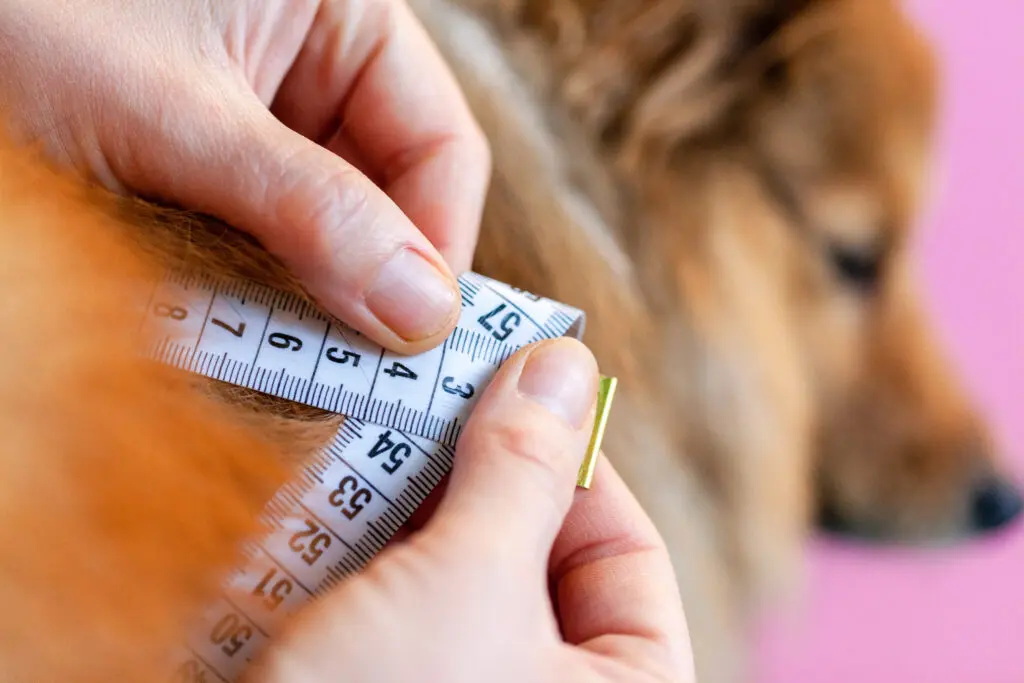
Use our sizing information and a soft measuring tape, and measure around your dog’s muzzle and under the chin where requested. If your dog is between sizes, choose the nearest size. Do not assume two dogs of the same breed will necessarily need exactly the same size.
Once the headcollar arrives, adjust it carefully and check where each section sits.
If the padded areas are not positioned where the design intends, revisit the adjustment or check whether another size is more appropriate. As a general size guide, small headcollars fit dogs under 23 inches, medium headcollars fit dogs 24-34 inches, and large headcollars fit dogs over 34 inches, but always follow the product sizing guide.
Choosing the Right Size for a Perfect Fit
What Else Should You Look For in a Head Collar?
When comparing padded dog headcollars, consider the complete product rather than one feature.
Look at the available sizes, number and position of adjustment points, main materials, padding, stitching, lead attachment and hardware.
You may also want to consider colour and appearance. Practicality comes first, but dog walking equipment is used frequently, so there is nothing wrong with wanting something you like the look of too.
When Might a Padded Headcollar Be Worth Considering?
A padded design can be particularly appealing if you want walking equipment that combines structure with softer contact areas. Some products, including dogmatic head collars, are made for a wide range of sizes and breeds.
It may also be worth considering if the headcollar will form part of your dog’s regular walking kit rather than being used occasionally.
The deciding factor should still be the individual product. Compare its construction, sizing and care requirements rather than assuming every padded design offers the same features.
Choosing a Padded Dog Headcollar
The main benefit of a padded dog headcollar is straightforward: it introduces softer material at selected contact points while retaining the practical features expected from a headcollar.
To get the best from one, choose the correct size and pay attention to the complete construction. Padding, webbing, adjustment points, stitching and hardware all contribute to the finished product.
Dogmatic’s products have been carefully designed with everyday use in mind and are available in different sizes and styles, with individual product information and sizing guidance to help you find the most suitable option for your dog.
For dog people, by dog people, because your dog deserves the best.